Developers follow coding standards and compliance rules to make sure all the software they build is safe, reliable, and compatible with other systems. However, coding standards and compliance rules can feel restrictive, like being told exactly how to do your job every step of the way. It can slow things down when you have to constantly check your work against specific rules, especially when you want to try something new or innovative.
Taking fun and freedom out of the coding process was never the intention, but that is exactly what happens when a rulebook is introduced. With AI code reviews, this doesn't have to be the case. AI automates much of the repetitive work of ensuring compliance, freeing developers to focus more on creativity and innovation. It's a significant shift that streamlines workflows and fosters a more enjoyable coding environment.
The Importance of Coding Standards and Compliance
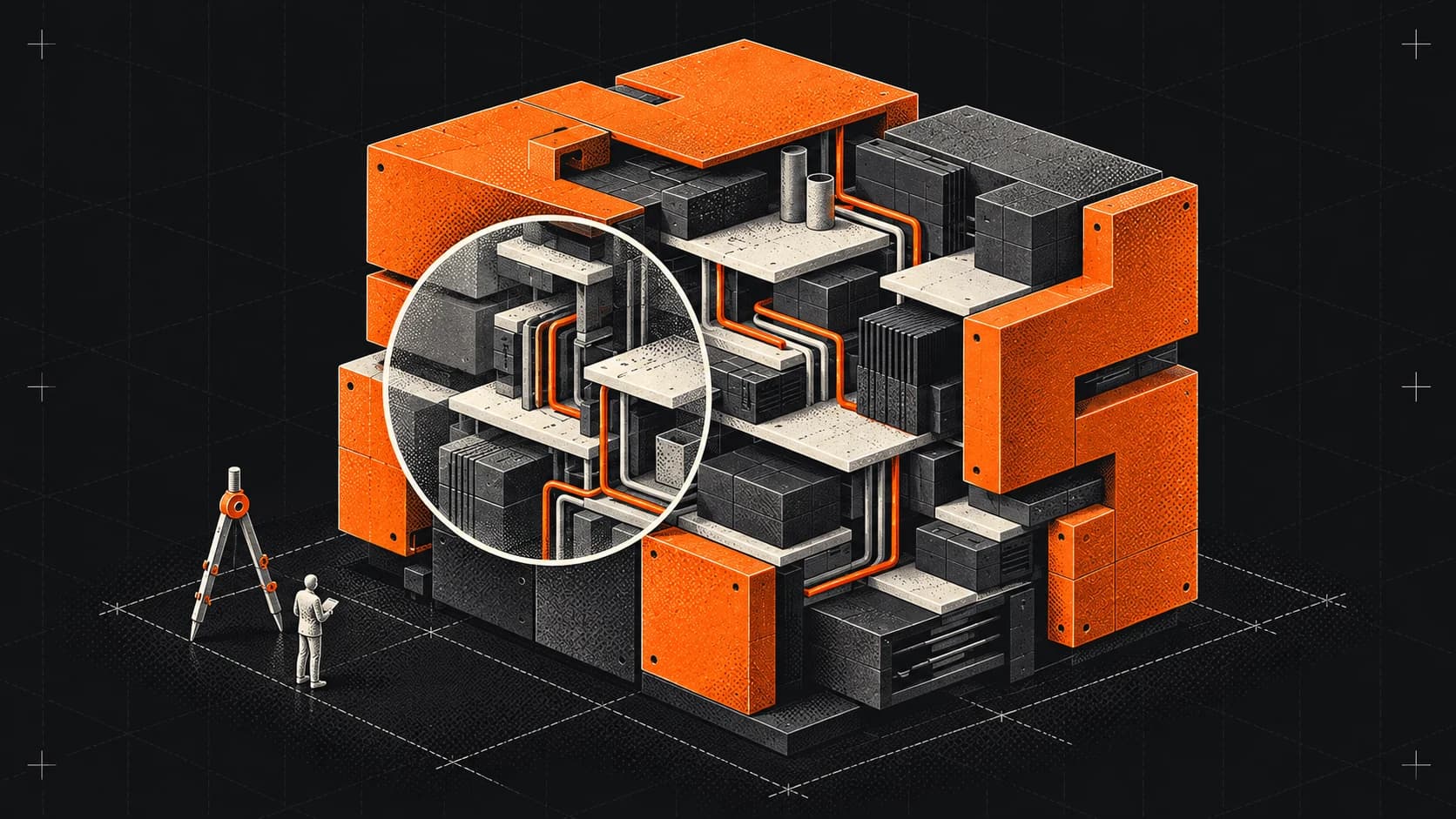
In software development, coding standards and compliance establish a common language and structured process that all developers adhere to. Following these guidelines produces software that is secure and interoperable with other systems. Think of these standards as the foundation of a building; without a strong foundation, the structure won't stand up to the elements, much like software won’t perform well without a solid base of clean, standardized code.
Ignoring these coding standards can lead to some pretty serious issues. For starters, it can make the software difficult to maintain and update. Faulty attempts to decipher this code can cause a system to crash or open the door to hackers. Poorly written code can lead to security vulnerabilities, similar to leaving your doors unlocked in a crowded place. If your software isn’t up to standard, it's much easier for someone with bad intentions to sneak in and cause trouble.
Consequently, while developers might find it a hassle to stick strictly to these standards, it’s a necessity. No one likes to hear “rules exist for a reason.” But they keep your software safe, functional, and in line with legal requirements, acting as the guardrails that keep the software development process on track and out of trouble.
Traditional Approaches to Code Reviews
Code reviews have long been a staple in the software development world. They involve a developer or a team of developers checking each other's code for errors and ensuring it meets all necessary standards before it goes live. While the intention is good, the traditional methods of code reviews, like manual and peer reviews, come with their own set of challenges.
A manual review is a process where a developer meticulously goes through code line by line. It's thorough but incredibly time-consuming. Imagine trying to find a few misspelled words in a novel-sized manuscript. Plus, it’s all too easy to miss errors just because of human fatigue. Staring at lines of code for hours isn’t exactly easy on the eyes or the brain.
Peer reviews involve one or more colleagues reviewing the code. It adds a layer of collaboration, which is great for team dynamics and can bring new perspectives to the table. However, it's not without its flaws. Peer reviews can be inconsistent—different reviewers might have different opinions on what’s correct or best. There’s also the risk of bias. Maybe the reviewer had a long day, or perhaps they just don’t gel well with the coder—factors like these can influence the objectivity of the review.
In short, traditional code reviews are a bit like proofreading by hand in a digital age—a necessary process, but one fraught with limitations in speed, accuracy, and efficiency.
Benefits of AI in Code Reviews
As technology evolves, so do the methods we use to ensure our code is top-notch. Enter AI code reviews, a modern twist on the traditional process that brings a lot of smarts and efficiency to the table. It’s an innovative approach that introduces a level of objectivity that is hard to achieve with human reviewers alone.
AI code reviews bring an elevated level of efficiency and fairness to how we handle code quality. They streamline the review process, allowing for quicker iterations and consistent standards across all projects.
Speed: AI can process thousands of lines of code in the time it takes a human to make a cup of coffee. This means faster turnaround times and more efficient workflows.
Consistency: AI doesn’t have off days. It applies the same standards to every review, ensuring that every piece of code meets the same quality criteria, no matter who wrote it or when it was reviewed.
Unbiased: AI looks at the code and nothing but the code. It doesn’t care who wrote it, making its assessments based purely on the quality of the code, not the coder.
The reliability, speed, and objectivity that AI brings to code reviews mark a significant upgrade from traditional methods. It’s more than a minor improvement—it really boosts productivity and ramps up the overall quality of the software produced.
AI Code Reviews for Enforcing Coding Standards
AI code reviews act like the ultimate umpires, making sure that everyone on the team plays by the same rules. They're programmed to understand and enforce specific coding standards, so that every line of code works and meets the high standards your project demands.
How CodeRabbit AI code reviews streamline development
Take the case of a developer who integrated CodeRabbit’s AI code reviews into his GitHub account. Installation was straightforward: after a few clicks to set permissions and choose the service provider, his system was ready to review code pushed to repositories. He then used it in a basic Angular project, where it quickly identified key improvements and ignored trivial formatting, focusing instead on substantive changes. In his view, CodeRabbit provided immediate, insightful feedback like a mentor.
The AI-powered code review highlighted significant issues and provided a summary of the merge request, focusing on key changes without getting bogged down by formatting errors, which it wisely ignored. It also included unique features like generating a summary of the merge request and offering a walkthrough of changes. CodeRabbit’s level of detail highlighted only the essential aspects of the code, avoiding minor issues to save significant time and effort.
AI Code Reviews for Supporting Compliance
AI code reviews can help teams identify code that may not align with established rules and standards. They are not just about keeping code clean; they can also support legal and regulatory compliance efforts. Here’s how AI can make compliance monitoring less burdensome while complementing human legal and security review.
Identifying non-compliance
AI tools can help spot when code may not align with established compliance standards. Think of these tools as scanners that sift through code, looking for potential deviations from required protocols. They can flag issues in critical areas such as data privacy under GDPR or health information protection under HIPAA. Taking a proactive approach here can reduce compliance risk and enhance the overall security of the software system.
Role in continuous compliance monitoring
Keeping up with compliance doesn’t end with the launch of a software product; it’s an ongoing process. An AI-powered system can continuously monitor the codebase, checking updates, patches, and changes for potential compliance issues throughout development and deployment. This supports ongoing monitoring and makes it less burdensome for development teams.
However, the appeal doesn't stop there. As regulations evolve, AI systems can be updated with checks that reflect new requirements. Adopting a proactive approach saves time and helps teams identify potential legal issues, but it does not replace review by qualified legal and security professionals.
Impact on meeting regulatory standards
The value of AI-driven code reviews lies in their ability to help reduce the risk of non-compliance, which can carry severe penalties. By identifying potential issues earlier, AI can support a business’s legal and security review processes and reinforce its reputation for reliability.
AI’s ability to automate certain compliance checks supports continuous monitoring and reduces repetitive manual work. Human oversight remains essential, while developers can spend more time on innovation and less on routine checks.
Enhancing Compliance and Coding Standards with CodeRabbit AI Code Reviews
AI technology is becoming a vital collaborator in the realm of compliance and coding standards. It is increasingly capable of performing complex reasoning tasks, offering design suggestions, and recommending best practices that align with regulatory requirements.
However, fully leveraging AI in code reviews and compliance requires a careful integration of human expertise with AI capabilities. This partnership excels in navigating the complexities of regulatory frameworks in software development. It enables organizations to boost their compliance, minimize errors, and foster a proactive culture of quality assurance across their development teams.
Discover how CodeRabbit, the leading AI code review tool for GitHub and GitLab, can elevate your team's compliance and coding standards. Sign up today for a free trial and begin transforming your development process with the power of AI-driven compliance.