
Agentic Learning Center
All guides
How technical debt compounds faster when AI writes the code
Learn why technical debt can compound faster with AI-generated code and how independent verification, shared understanding, and documented decisions help.
Code review best practices for AI-generated code
AI-generated diffs require updated review practices. Best practices focus on establishing intent, following dependency order, and managing volume in the agentic era.
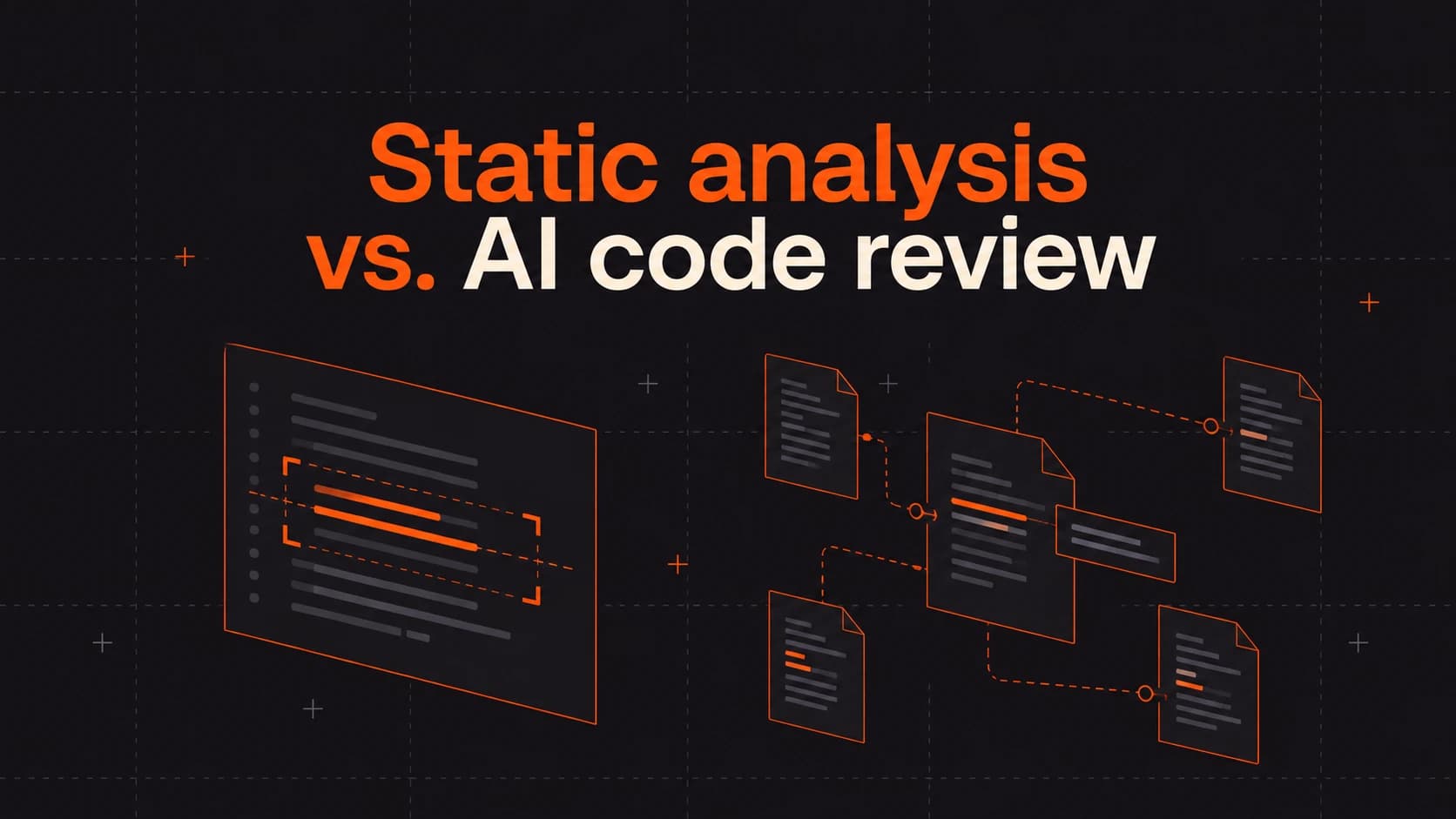
Static analysis vs. AI code review: Which catches what?
Static analysis checks rules and program models. AI code review adds context. Learn what each catches, where coverage overlaps, and how to use both.
AI explainability is a security requirement: why opaque PRs are a risk
Opaque AI-generated PRs ship code nobody fully understands. Learn why explainability belongs in your security model, and what to require before merge.
PR summaries vs. PR explainability: Closing comprehension debt
Green pull requests can still ship bugs when summaries replace true comprehension. Explainable review interfaces help teams restore system understanding.
SAST vs SCA: Why neither is enough
Compare SAST and SCA, understand their strengths and limits, and learn why application context matters for authorization and business-logic security.
What is code review, and how is it changing?
Code review is the decision about whether a change is safe to ship, made by someone other than the author. Learn how AI is changing that checkpoint.
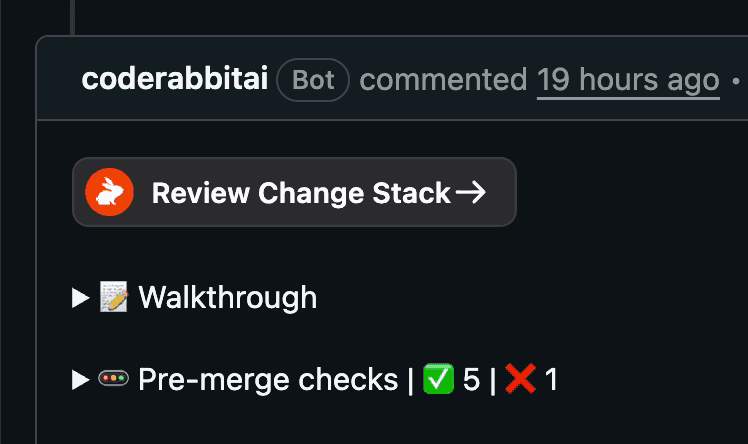
What does “LGTM” mean in code review, and when is it a warning sign?
Learn what LGTM means in code review, why large pull requests can receive shallow approvals, and how better review interfaces improve understanding.

What is AI code governance?
AI code governance is how teams keep AI-written code trustworthy without slowing developers down. Learn what it includes and how it works in practice.